Category: Uncategorized

  • The Ultimate Guide to Heating System Maintenance for a Cozy Home

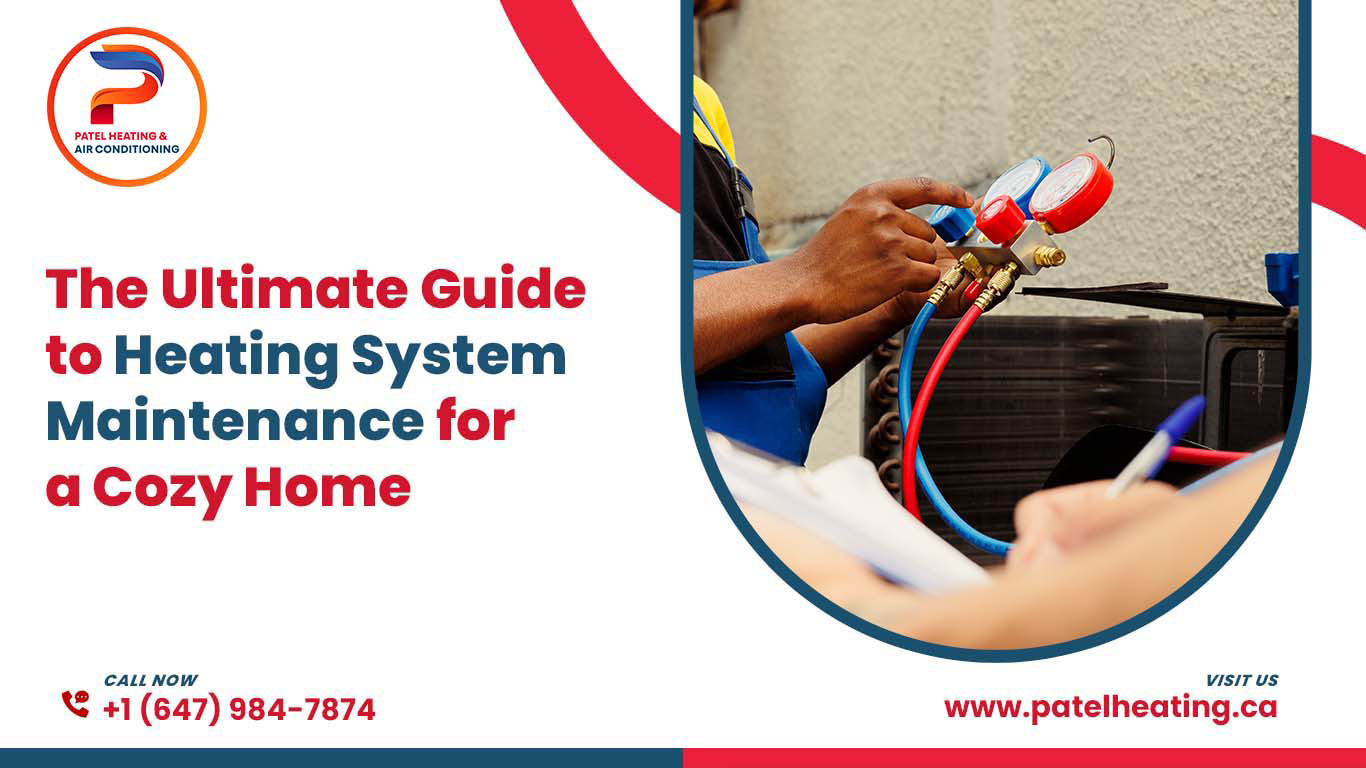
    The Ultimate Guide to Heating System Maintenance for a Cozy Home

    Maintaining a comfortable home during the colder months requires an efficiently running heating system. Without proper care, your heating system can become less efficient, leading to higher energy bills and unexpected repairs. This guide will walk you through essential heating system maintenance tips to ensure your home stays cozy all winter.

    1. Change Air Filters Regularly

    Air filters play a crucial role in your heating system’s performance. They trap dust, dirt, and other particles, preventing them from circulating in your home. A clogged filter restricts airflow, causing your system to work harder and consume more energy. Change your air filters every 1 to 3 months, depending on usage, to keep the air clean and your system running efficiently.

    2. Inspect and Clean Vents

    Over time, dust and debris can accumulate in your vents, obstructing the airflow and reducing efficiency. Make sure all vents are clean and unobstructed. Also, ensure that furniture, curtains, or other household items aren’t blocking the vents, as this can reduce your system’s ability to distribute heat evenly throughout your home.

    3. Check the Thermostat

    Your thermostat controls the temperature and tells your heating system when to turn on or off. Ensure it’s working properly by testing it before the colder months set in. If you have an older, manual thermostat, consider upgrading to a programmable or smart thermostat. These devices allow you to set customized schedules, saving energy and money by adjusting the temperature automatically when you’re not home.

    4. Inspect and Clean Heating System Components

    Whether you have a furnace, heat pump, or boiler, regular cleaning of key components is essential for optimal performance. Dust and dirt can build up on burners, blowers, and heat exchangers, causing inefficiency and potential breakdowns. Schedule a professional heating system tune-up to ensure these parts are cleaned and functioning properly.

    5. Test Your Carbon Monoxide Detectors

    Carbon monoxide is a potential hazard if your heating system burns fuel, such as gas or oil. Test your carbon monoxide detectors to ensure they’re working properly. This small step can prevent dangerous gas buildup and protect your family from harmful exposure.

    6. Check for Leaks or Strange Noises

    Unusual noises or leaks can indicate that something isn’t right with your heating system. If you hear banging, whistling, or grinding sounds or notice water pooling around the system, it’s time to call a professional technician. Catching small issues early can prevent larger, more expensive repairs down the line.

    7. Ensure Proper Insulation

    Good insulation helps keep the warm air inside your home, reducing the workload on your heating system. Check areas like attics, walls, and windows for any gaps or leaks. Adding insulation or weatherstripping around doors and windows can improve your home’s energy efficiency and keep the warmth inside where it belongs.

    8. Schedule Annual Professional Maintenance

    One of the best ways to extend the life of your heating system is to schedule annual professional maintenance. A certified HVAC technician can perform a thorough inspection, cleaning, and tune-up to ensure your system is operating at peak efficiency. Regular maintenance not only prevents unexpected breakdowns but also helps lower energy costs and prolongs the lifespan of your heating system.

    9. Replace an Outdated Heating System

    If your heating system is more than 15 years old, it might be time to consider a replacement. Older systems are less energy-efficient and more prone to breakdowns. Upgrading to a newer, energy-efficient model can save you money on repairs and reduce your energy consumption. Modern systems also come with smart features that can further optimize performance and comfort.

    10. Monitor Energy Bills

    Keep an eye on your energy bills during the winter months. A sudden spike in your heating costs could indicate an issue with your system, such as poor efficiency or the need for maintenance. Addressing the issue early can help avoid costly repairs and keep your home warm without breaking the bank.

    At Patel Heating & Air Conditioning, we are committed to keeping your home comfortable all year round. Our expert technicians are trained to handle all your heating system maintenance needs, from routine inspections to repairs and installations. Whether you need a seasonal tune-up or a new heating system, our team is here to help.

    Contact us today to schedule your heating system maintenance and ensure your home stays cozy throughout the winter!

  • How Long Will an Air Conditioner Last? Expert Tips for Knowing When to Replace It

    How Long Will an Air Conditioner Last? Expert Tips for Knowing When to Replace It

    At Patel Heating & Air Conditioning, we often get asked, “How long will my air conditioner last?” It’s a critical question for homeowners looking to balance comfort with cost efficiency. Replacing an air conditioner is a significant investment, so it’s essential to know when the time is right to make that decision. In this blog, we’ll cover how long an air conditioner typically lasts, what factors impact its lifespan, and expert tips on knowing when it’s time to replace your AC.

    How Long Does an Air Conditioner Typically Last?

    On average, a well-maintained air conditioner can last 12 to 15 years. However, several factors can affect this lifespan, such as the type of unit, frequency of use, and maintenance practices. Some units may last as long as 20 years, while others may need replacing after just 10 years. Understanding the variables that affect your system’s lifespan can help you make an informed decision when it’s time to replace it.

    Factors That Impact the Lifespan of Your Air Conditioner

    1. Quality of the System: Not all AC units are created equal. Higher-end systems with superior components tend to last longer than cheaper, low-quality units. Investing in a reputable brand from the beginning can save you money in the long run.

    2. Proper Installation: A properly installed air conditioner will work more efficiently and last longer. At Patel Heating & Air Conditioning, we ensure your AC system is installed correctly, minimizing early wear and tear on the components.

    3. Maintenance Practices: Regular maintenance is one of the most significant factors affecting your air conditioner’s longevity. Routine checkups, such as cleaning the coils, changing the filters, and inspecting for leaks, can extend your system’s life by years. We recommend an annual service to keep your unit running efficiently.

    4. Usage Levels: If you run your air conditioner heavily during hot summers, it will experience more wear and tear, which can reduce its lifespan. Efficient usage patterns, such as setting the thermostat a few degrees higher when you’re away, can ease the load on your AC unit.

    5. Climate: Areas with extremely hot or humid conditions can shorten the lifespan of an AC unit because the system has to work harder to maintain a comfortable indoor temperature. Similarly, salt in the air near coastal areas can cause corrosion, affecting the unit’s longevity.

    Signs It’s Time to Replace Your Air Conditioner

    Even with proper care, your air conditioner will eventually need to be replaced. Here are some clear signs it may be time for an upgrade:

    1. Frequent Repairs: If you constantly call for repairs, investing in a new system is likely more cost-effective. Frequent breakdowns indicate your AC is nearing the end of its life.

    2. Rising Energy Bills: As your air conditioner ages, it loses efficiency, which can cause your energy bills to spike. If you notice a sudden increase in your utility costs, it may be time to replace your unit with a more energy-efficient model.

    3. Uneven Cooling: Struggling with hot and cold spots throughout your home? Uneven cooling is a common sign that your AC unit can no longer distribute air effectively and may need to be replaced.

    4. Unusual Noises: Grinding, squealing, or rattling noises from your air conditioner can indicate severe mechanical issues. These problems can be costly to fix, and in many cases, a replacement is a better long-term solution.

    5. Age of the Unit: If your air conditioner is over 10 years old and experiencing any of the problems mentioned above, it’s time to start planning for a replacement. Newer models are far more energy-efficient, and investing in a replacement can save you money on utility bills.

    6. Poor Indoor Air Quality: An older AC unit may struggle to filter out dust, allergens, and pollutants, leading to poor indoor air quality. A newer model will have better filtration capabilities, improving the air you breathe.

    Benefits of Replacing Your Air Conditioner

    If you’re on the fence about replacing your air conditioner, consider the benefits of installing a new unit:

    1. Increased Efficiency: New AC models use far less energy, reducing your cooling costs significantly.

    2. Enhanced Comfort: A modern air conditioner will cool your home more evenly and reliably.

    3. Improved Air Quality: With better filtration systems, new AC units help to improve indoor air quality, reducing allergens and contaminants.

    4. Fewer Repairs: A new system means you’ll spend less time and money on repairs and maintenance.

    How Patel Heating & Air Conditioning Can Help

    When it comes to choosing the right time to replace your air conditioner, you don’t have to make the decision alone. At Patel Heating & Air Conditioning, we provide comprehensive AC evaluations and can help you determine whether it’s time to repair or replace your system. Our expert technicians will work with you to find the best solution for your home and budget.

    Final Thoughts

    Knowing when ac replacement in canada can save you from skyrocketing energy bills and uncomfortable summers. While a well-maintained unit can last 12 to 15 years, factors like usage, maintenance, and climate can all impact its lifespan. If you notice frequent repairs, uneven cooling, or rising energy costs, it may be time for a replacement. For reliable advice and expert air conditioning services in canada, contact Patel Heating & Air Conditioning today!
  • Green HVAC Solutions: How Sustainable Systems Are Changing the Game

    Green HVAC Solutions: How Sustainable Systems Are Changing the Game

    As climate concerns rise and energy costs soar, many homeowners and businesses are looking for ways to make their properties more energy-efficient and environmentally friendly. At Patel Heating & Air Conditioning, we’re witnessing a significant shift in the HVAC industry toward green, sustainable solutions. But what exactly are green HVAC systems, and how are they changing the game? Let’s dive into the world of eco-friendly heating and cooling to explore why now is the perfect time to embrace these innovative technologies.

    What Are Green HVAC Systems?

    Green HVAC systems are designed to reduce the environmental impact of heating, ventilation, and air conditioning by improving energy efficiency and utilizing renewable resources. These systems often include features like high-efficiency heat pumps, geothermal technology, solar-powered components, and smart thermostats that work together to minimize energy consumption while maintaining optimal indoor comfort.

    Key Benefits of Green HVAC Systems

    1. Reduced Energy Consumption: One of the most significant advantages of sustainable HVAC systems is their ability to drastically lower energy consumption. By using advanced technologies like variable-speed compressors, these systems operate at maximum efficiency, consuming less power and reducing monthly utility bills.

    2. Lower Carbon Footprint: Traditional HVAC systems rely heavily on fossil fuels, contributing to greenhouse gas emissions. Green HVAC solutions in canada, such as geothermal heat pumps and solar-powered systems, significantly reduce carbon emissions, helping homeowners and businesses lessen their environmental impact.

    3. Long-Term Cost Savings: Although the upfront investment in green HVAC systems may be higher, the long-term savings are substantial. High-efficiency units and smart energy management lead to lower utility costs, while sustainable components often have a longer lifespan and require less frequent maintenance.

    4. Enhanced Indoor Air Quality: Green HVAC solutions prioritize not just energy efficiency but also indoor air quality. Many systems incorporate advanced filtration, humidity control, and ventilation technologies to improve the air you breathe, reducing allergens and airborne contaminants.

    The Rise of Geothermal HVAC Systems

    Geothermal heating and cooling systems are becoming a top choice for environmentally conscious homeowners. These systems tap into the earth’s constant temperature to heat and cool buildings efficiently. By transferring heat from the ground into your home in the winter and reversing the process in the summer, geothermal systems use up to 70% less energy than conventional heating and cooling methods. Though installation requires an initial investment, the energy savings and environmental benefits make it a smart long-term choice.

    Solar-Powered HVAC: Harnessing the Sun

    Solar-powered HVAC systems are another major player in the green revolution. These systems utilize solar panels to generate energy for heating and cooling. By harnessing the power of the sun, homeowners and businesses can reduce their reliance on the grid, cut down on electricity costs, and decrease their carbon footprint.

    Smart Thermostats and Advanced Controls

    Smart thermostats are a simple yet powerful way to enhance the efficiency of any HVAC system. These devices allow you to remotely control and monitor your system, optimizing energy usage based on your schedule and preferences. Many smart thermostats are compatible with green HVAC systems, providing real-time insights into energy consumption and offering tips on how to reduce it further.

    How Patel Heating & Air Conditioning Can Help

    At Patel Heating & Air Conditioning, we specialize in installing and maintaining green HVAC systems that help you reduce your carbon footprint without sacrificing comfort. Whether you’re interested in geothermal solutions, solar-powered HVAC, or high-efficiency heat pumps, our team of experts is ready to guide you through the process.

    Conclusion

    The future of heating and cooling is green. As more homeowners and businesses prioritize sustainability, green HVAC solutions are quickly becoming the industry standard. From energy savings to environmental benefits, these systems offer a win-win for both consumers and the planet. If you’re ready to upgrade to a greener, more efficient HVAC system, contact Patel Heating & Air Conditioning today to learn more.

    Call to Action

    Ready to go green? Contact Patel Heating & Air Conditioning today to explore eco-friendly HVAC solutions in canada that fit your needs. Together, we can make your home more sustainable while saving you money on energy bills!

  • 10 Early Warning Signs Your AC Is Heading for a Breakdown

    10 Early Warning Signs Your AC Is Heading for a Breakdown

    As temperatures rise, the last thing you want is a malfunctioning air conditioner. At Patel Heating & Air Conditioning, we’re committed to keeping your AC running smoothly year-round. Spotting early warning signs can help you avoid an unexpected breakdown and costly repairs. Here are 10 signs that your AC may be heading for trouble.

    1. Weak Airflow

    If your AC is blowing weak or inconsistent air, it’s a sign of a potential blockage or compressor issue. Restricted airflow means your system is working harder to cool your home, leading to higher energy bills and faster wear.

    2. Warm Air Coming from Vents

    If your system is blowing warm air instead of cool, it could indicate a problem with the compressor or low refrigerant levels. Either way, it’s time to call in a professional for a quick fix before the situation worsens.

    3. Unusual Noises

    Loud or strange sounds, such as banging, rattling, or squealing, suggest something is wrong with your AC’s internal components. This could point to issues with the motor, belts, or other critical parts that need immediate attention.

    4. Bad Odors

    A musty or burning smell coming from your AC could signal mold growth inside the unit or electrical problems. If you notice any strange odors, have your system inspected before it becomes a health or safety hazard.

    5. Frequent Cycling

    If your AC frequently turns on and off without reaching the desired temperature, it may be due to a failing thermostat, dirty filters, or a more serious underlying issue. Frequent cycling puts unnecessary strain on your system, increasing the likelihood of a breakdown.

    6. High Humidity Levels

    Your AC should regulate humidity as well as temperature. If your home feels unusually sticky or humid, it’s a sign that your system isn’t functioning properly. This could lead to mold growth and damage to your home’s structure.

    7. Water Leaks

    Pooled water or moisture around your AC unit is a sign of a refrigerant leak or a problem with the condensation drain. Both issues need to be addressed quickly to prevent further damage to your system.

    8. High Energy Bills

    An unexplained increase in your energy bills can indicate that your AC is working inefficiently. Whether due to aging components or neglected maintenance, this is a clear sign your system needs attention before it breaks down.

    9. Thermostat Issues

    If your AC isn’t responding to the thermostat or struggles to maintain the set temperature, the issue might lie with the thermostat itself or the sensors within the unit. Both require professional troubleshooting.

    10. Age of the Unit

    If your AC is over 10-15 years old, it’s likely nearing the end of its lifespan. Even if it hasn’t broken down yet, older units are more prone to efficiency issues and frequent repairs. Consider planning for an ac replacement in canada before a major failure occurs.

    Preventive Maintenance Is Key

    The best way to avoid an unexpected AC breakdown is through regular maintenance. Our team at Patel Heating & Air Conditioning offers comprehensive tune-ups and inspections to ensure your system is in peak condition all year long. Don’t wait until it’s too late—contact us today to schedule a service appointment.

  • Don’t Ignore These 10 Signs Your Furnace Needs Repair in Canada

    Don’t Ignore These 10 Signs Your Furnace Needs Repair in Canada

    As the Canadian winter approaches, your furnace becomes an essential part of keeping your home warm and comfortable. However, like any mechanical system, your furnace can experience issues that, if left unaddressed, could lead to costly repairs or even a complete breakdown. At Patel Heating & Air Conditioning, we want to ensure your home stays cozy all season long. Here are 10 signs that your furnace may need repair:

    1. Inconsistent Heating

    If some rooms in your home are warm while others are cold, your furnace may be struggling to distribute heat evenly. This inconsistency can indicate issues with your furnace’s blower motor, thermostat, or ductwork.

    2. Strange Noises

    Rattling, banging, or squealing noises coming from your furnace are never a good sign. These sounds often indicate loose or damaged components that need immediate attention.

    3. Short Cycling

    If your furnace frequently turns on and off without reaching the set temperature, it’s known as short cycling. This can be caused by an overheating furnace, a malfunctioning thermostat, or clogged air filters.

    4. Rising Energy Bills

    A sudden increase in your energy bills without a corresponding increase in usage may indicate that your furnace is losing efficiency. This could be due to worn-out parts, dirty filters, or a failing motor.

    5. Unusual Odors

    Any strange smells coming from your furnace, such as burning, musty, or gas-like odors, should not be ignored. These could signal issues like dust accumulation, mold growth, or a gas leak, all of which require professional attention.

    6. Yellow Pilot Light

    A healthy furnace typically has a blue pilot light. If yours is yellow, it could indicate a problem with the gas mixture or even a dangerous carbon monoxide leak. Immediate inspection by a professional is crucial.

    7. Difficulty Starting the Unit

    If your furnace struggles to start or requires multiple attempts to kick on, it could be due to a failing thermostat, ignition system, or wiring issues. This is a clear sign that your furnace needs repair.

    8. Excessive Dust

    If you notice more dust than usual in your home, especially near the vents, your furnace might not be filtering the air properly. This could be due to dirty air filters, clogged ducts, or a malfunctioning blower.

    9. Dry or Humid Air

    Furnaces play a role in maintaining the humidity levels in your home. If the air feels unusually dry or damp, it could indicate an issue with your furnace’s humidifier or overall efficiency.

    10. Age of the Furnace

    If your furnace is over 15 years old, it’s more prone to breakdowns and inefficiencies. Even if it seems to be working fine, regular maintenance and potential repairs are necessary to ensure it continues to operate safely and efficiently.

    Conclusion

    Don’t wait until your furnace breaks down in the middle of a cold Canadian winter. If you notice any of these signs, it’s time to contact the experts at Patel Heating & Air Conditioning. Our certified technicians are ready to diagnose and repair any furnace issues, ensuring your home stays warm and comfortable all season long. Reach out to us today to schedule a furnace repair in Brampton and keep your heating system in top shape.

  • Top Things You Need to Know About AC Repair in Brampton

    Top Things You Need to Know About AC Repair in Brampton

    Air conditioning is essential in many parts of Canada, where summers can be surprisingly warm. Keeping your air conditioning (AC) system in top shape is crucial for staying comfortable during these hot months. Here’s a guide to the top things you need to know about AC repair in Canada.

    1. Climate-Specific AC Challenges in Canada

    Canada’s diverse climate presents unique challenges for AC systems. While some areas experience mild summers, others can get extremely hot, putting a strain on your AC. Additionally, the long, cold winters mean your AC sits unused for months, which can lead to issues when you start it up again in the summer. Regular maintenance is key to ensuring your AC system is ready when the heat hits.

    2. Common AC Problems in Canada

    Several AC issues are common across Canada due to climate and usage patterns:

    ● Frozen Coils: Long periods of inactivity during the winter can lead to moisture buildup, which may cause the coils to freeze when the AC is turned on.

    ● Refrigerant Leaks: Older units, in particular, are prone to refrigerant leaks, which reduce cooling efficiency and can harm the environment.

    ● Wear and Tear: Constant cycling on hot days can lead to wear and tear on components like the compressor, fan motor, and electrical connections.

    ● Blocked Air Filters: Dust and debris can accumulate in air filters over time, especially if your AC system is not regularly maintained.

    3. Importance of Seasonal Maintenance

    Given Canada’s long winters and short, intense summers, it’s vital to schedule seasonal maintenance for your AC system. Spring is the ideal time for a professional inspection to ensure everything is in working order before the hot weather arrives. Regular maintenance tasks include:

    ● Cleaning or Replacing Filters: Ensures proper airflow and prevents strain on the system.

    ● Checking Refrigerant Levels: Low refrigerant can indicate a leak that needs repair.

    ● Inspecting Electrical Components: Ensures all connections are secure and the system is operating safely.

    ● Testing the Thermostat: Make sure the thermostat is accurately reading and controlling the temperature.

    4. Choosing the Right AC Repair Service in Canada

    Finding a reliable AC repair service in Canada is crucial. Here’s what to consider:

    ● Local Expertise: Choose a service provider familiar with the climate challenges specific to your area. For example, someone in Vancouver might deal more with moisture-related issues, while someone in Toronto might focus on heat-related wear and tear.

    ● Certification and Licensing: Ensure the technicians are certified and the company is licensed to perform AC repairs in your province.

    ● Customer Reviews: Look for companies with strong customer reviews that highlight timely service, professionalism, and quality of work.

    ● Availability: Given the short summer season, it’s essential to choose a service provider who can respond quickly to any AC issues.

    5. Energy Efficiency and Rebates

    In Canada, energy efficiency is a significant concern, and upgrading to a more energy-efficient AC unit can save you money in the long run. Many provinces offer rebates and incentives for installing energy-efficient systems. Programs like the Canada Greener Homes Grant can help offset the cost of upgrading your AC system. An energy-efficient AC unit not only reduces your environmental footprint but also lowers your utility bills during the peak summer months.

    6. Cost of AC Repairs in Canada

    The cost of AC repair in Canada can vary depending on the nature of the problem and your location. On average:

    ● Minor Repairs: Such as replacing a thermostat or fixing a small refrigerant leak, can cost between $100 and $400.

    ● Major Repairs: Like replacing the compressor or repairing significant refrigerant leaks, can range from $500 to $2,500.

    ● Emergency Services: If you need repairs during a heatwave, emergency services may come at a premium, often adding 20-50% to the standard repair cost.

    It’s advisable to get multiple quotes and ensure you understand what the service includes before agreeing to any repairs.

    7. AC Replacement Considerations

    If your AC system is older or frequently needs repairs, it might be time to consider a replacement. In Canada, an AC system typically lasts 10-15 years. However, if your unit is nearing the end of its lifespan and is no longer energy-efficient, replacing it with a newer model can offer significant savings on your energy bills. When choosing a new system, consider:

    ● Size and Capacity: Ensure the unit is appropriately sized for your home to maximize efficiency.

    ● Energy Efficiency Ratings: Look for units with a high SEER (Seasonal Energy Efficiency Ratio) rating.

    ● Local Climate: Choose a system designed to handle the specific climate challenges of your region.

    8. Environmental Considerations

    In Canada, environmental concerns are increasingly influencing consumer choices. If your AC uses older refrigerants like R-22, which is being phased out due to its ozone-depleting properties, consider upgrading to a system that uses eco-friendly refrigerants like R-410A. Not only is this better for the environment, but it also ensures compliance with Canadian regulations and can improve your system’s efficiency.

    Conclusion

    Maintaining and repairing your AC system in Canada requires an understanding of the unique climate challenges and the importance of regular maintenance. By choosing the right repair service, staying on top of seasonal maintenance, and considering energy-efficient options, you can ensure your home stays cool and comfortable throughout the summer. Whether you’re dealing with minor repairs or considering a full system replacement, being informed will help you make the best decisions for your comfort and budget.

  • Ultimate Guide to AC Maintenance in Canada

    Ultimate Guide to AC Maintenance in Canada

    As a Canadian homeowner, ensuring your air conditioner (AC) runs efficiently throughout the year is crucial, especially during the hot summer months. Regular AC maintenance can help extend the lifespan of your unit, improve its performance, and save you money on energy bills. At Patel Heating & Air Conditioning, we understand the unique challenges faced by Canadian homeowners when it comes to AC maintenance. This ultimate guide will provide you with essential tips and insights to keep your AC unit in top shape.

    Why AC Maintenance is Essential

    ● Extended Lifespan: Regular maintenance can significantly extend the life of your AC unit, ensuring it serves you for many years.

    ● Improved Efficiency: Well-maintained units operate more efficiently, reducing energy consumption and lowering utility bills.

    ● Prevent Costly Repairs: Early detection of potential issues can prevent expensive repairs or replacements down the line.

    ● Enhanced Air Quality: Clean filters and components improve indoor air quality, providing a healthier living environment for your family.

    Key AC Maintenance Tips for Canadian Homes

    Regular Filter Replacement

    ● Frequency: Replace or clean your AC filters every 1-3 months, depending on usage and air quality in your home.

    ● Benefits: Clean filters ensure optimal airflow and reduce the strain on your unit, improving efficiency.

    Inspect and Clean the Coils

    ● Evaporator Coils: Clean annually to remove dirt and debris that can reduce cooling efficiency.

    ● Condenser Coils: Ensure the outdoor unit is free from leaves, dirt, and other obstructions.

    Check the Thermostat Settings

    ● Programmable Thermostats: Upgrade to a programmable thermostat to optimize temperature settings based on your schedule, saving energy.

    ● Calibration: Ensure your thermostat is properly calibrated for accurate temperature control.

    Clear the Surrounding Area

    ● Outdoor Unit: Maintain at least 2 feet of clearance around the outdoor unit. Remove any debris, plants, or obstacles that could hinder airflow.

    ● Indoor Vents: Keep indoor vents unobstructed by furniture or drapes to allow free airflow.

    Inspect and Clean the Drain Line

    ● Clog Prevention: Regularly check the condensate drain for clogs and clean it to prevent water damage and humidity issues.

    ● Algae Treatment: Use a mixture of water and vinegar to clear algae buildup.

    Check Electrical Components

    ● Connections: Inspect the electrical connections for signs of wear or corrosion.

    ● Professional Inspection: Have a professional technician check the electrical components annually to ensure safety and efficiency.

    Lubricate Moving Parts

    ● Fans and Motors: Regular lubrication of moving parts can reduce friction and wear, extending the life of your AC unit.

    Seal and Insulate Ductwork

    ● Leaks: Inspect ductwork for leaks and seal them with duct tape or mastic sealant.

    ● Insulation: Properly insulate ducts to prevent energy loss and improve cooling efficiency.

    Monitor Refrigerant Levels

    ● Proper Levels: Ensure your AC unit has the correct amount of refrigerant. Low levels can indicate a leak and reduce cooling efficiency.

    ● Professional Service: Have a certified technician check and refill refrigerant if necessary.

    Schedule Professional Maintenance

    ● Annual Tune-Up: Schedule an annual maintenance visit from a certified HVAC technician to perform a thorough inspection and tune-up of your AC unit.

    ● Comprehensive Service: Professional maintenance includes checking refrigerant levels, inspecting electrical components, cleaning coils, and ensuring overall system efficiency.

    Why Choose Patel Heating & Air Conditioning

    At Patel Heating & Air Conditioning, we are committed to providing top-notch AC maintenance services tailored to the unique needs of Canadian homeowners. Our team of certified technicians is equipped with the knowledge and expertise to ensure your AC unit runs efficiently and reliably. With our comprehensive maintenance plans, you can enjoy peace of mind knowing your AC unit is in good hands.

    ● Experienced Technicians: Our team has years of experience in the HVAC industry, ensuring high-quality service and customer satisfaction.

    ● Customized Solutions: We offer personalized maintenance plans to meet your specific needs and budget.

    ● Reliable Service: We pride ourselves on our prompt and reliable service, ensuring your AC unit is always in peak condition.

    Conclusion

    Regular AC maintenance is essential for extending the lifespan of your unit, improving efficiency, and preventing costly repairs. By following these tips and scheduling professional maintenance with Patel Heating & Air Conditioning, you can ensure your AC unit runs smoothly and efficiently throughout the year. Contact us today to learn more about our ac maintenance in canada and how we can help keep your home comfortable all year round.

  • Your Guide to the Best Types of Air Conditioners for Every Home

    Your Guide to the Best Types of Air Conditioners for Every Home

    Choosing the right air conditioner for your home can be a daunting task. With so many options available, it’s essential to understand the different types of air conditioners and how they can meet your cooling needs. In this guide, we’ll explore the best types of air conditioners for every home, helping you make an informed decision to keep your space comfortable all year round.

    1. Central Air Conditioning

    Overview:

    Central air conditioning is the most common type of cooling system for larger homes. It uses a network of ducts to distribute cool air throughout the house, providing consistent temperature control.

    Benefits:

    ● Efficiently cools the entire home
    ● Provides even temperature distribution
    ● Can be combined with heating for year-round climate control

    Ideal For:

    Large homes or those with existing ductwork. Central air conditioning is perfect for homeowners looking for comprehensive cooling solutions.

    2. Ductless Mini-Split Systems

    Overview :

    Ductless mini-split systems consist of an outdoor compressor and one or more indoor air-handling units. They are a flexible solution for homes without ductwork.

    Benefits:

    ● Easy installation
    ● Energy-efficient
    ● Provides zoned cooling
    ● Quiet operation

    Ideal For:

    Homes without ductwork, room additions, or areas that need additional cooling. They are also great for homeowners looking to improve energy efficiency.

    3. Window Air Conditioners

    Overview:

    Window air conditioners are single units that fit into a window. They are a popular choice for cooling individual rooms.

    Benefits:

    ● Affordable
    ● Easy to install
    ● Ideal for small spaces

    Ideal For:

    Apartments, dorm rooms, or single rooms in a house. Window air conditioners are perfect for renters or those needing a temporary cooling solution.

    4. Portable Air Conditioners

    Overview:

    Portable air conditioners are standalone units that can be moved from room to room. They require a venting kit to expel hot air through a window

    Benefits:

    ● Portable and easy to move
    ● No permanent installation required
    ● Ideal for spot-cooling

    Ideal For:

    Small apartments, temporary living spaces, or rooms without window access. Portable air conditioners are suitable for those who need a flexible cooling option.

    5. Hybrid Air Conditioners

    Overview:

    Hybrid air conditioners combine a traditional air conditioning system with a heat pump. They switch between using electricity and fossil fuels to optimize energy efficiency.

    Benefits:

    ● Energy-efficient
    ● Lower operating costs
    ● Provides both heating and cooling

    Ideal For:

    Homeowners looking to reduce energy costs and environmental impact. Hybrid air conditioners are perfect for areas with fluctuating energy prices.

    6. Geothermal Air Conditioners

    Overview:

    Geothermal air conditioners use the stable temperature of the earth to heat and cool your home. They are one of the most energy-efficient systems available.

    Benefits:

    ● Extremely energy-efficient
    ● Environmentally friendly
    ● Long lifespan

    Ideal For:

    Eco-conscious homeowners and those planning to stay in their homes long-term. Geothermal systems are ideal for new constructions or homes with large yards.

    7. Smart Air Conditioners

    Overview:

    Smart air conditioners can be controlled via a smartphone or other smart devices. They often come with features like scheduling, remote access, and energy usage monitoring.

    Benefits:

    ● Convenient control
    ● Energy-efficient
    ● Can be integrated with other smart home devices

    Ideal For:

    Tech-savvy homeowners looking for convenience and energy savings. Smart air conditioners are great for modern homes with a focus on automation.

    Choosing the Right Air Conditioner

    When choosing the best air conditioner service in canada for your home, consider the following factors:

    1. Size of the Area: Larger spaces may require central air conditioning, while smaller rooms can be effectively cooled with window or portable units.

    2. Energy Efficiency: Look for units with high SEER (Seasonal Energy Efficiency Ratio) ratings or Energy Star certification to save on energy costs.

    3. Installation Requirements: Consider the complexity and cost of installation. Ductless systems and portable units are easier to install compared to central air conditioning.

    4. Budget: Factor in both the initial cost and long-term operating costs. While some units may have a higher upfront cost, they can save you money in the long run through energy efficiency.

    Conclusion

    Choosing the right air conditioner for your home is crucial for maintaining comfort and energy efficiency. By understanding the different types of air conditioners and their benefits, you can make an informed decision that meets your specific needs. Whether you opt for a central system, a ductless mini-split, or a portable unit, there’s an air conditioner out there that’s perfect for your home.

    For expert advice and installation services, contact Patel Heating and Air Conditioning. Our team of professionals is dedicated to helping you find the best ac installation in canada solutions for your home.

  • Is Your AC Not Turning On? Here’s Why and How to Solve It

    Is Your AC Not Turning On? Here’s Why and How to Solve It

    When the summer heat is at its peak, the last thing you want is for your air conditioner (AC) to stop working. If your AC isn’t turning on, it can quickly become a major source of discomfort. In this blog post, we’ll explore common reasons why your AC won’t turn on and provide practical solutions to help you get it running again.

    Common Reasons Why Your AC Won’t Turn On

    1. Power Issues

    ● Tripped Circuit Breaker: One of the most common reasons for an AC not turning on is a tripped circuit breaker. Check your breaker panel and reset any tripped breakers.

    ● Blown Fuse : If the fuse in the AC’s disconnect box is blown, it can prevent the unit from turning on. Replace the fuse if necessary.

    ● Loose or Disconnected Wiring: Loose or disconnected wiring can disrupt power to your AC. Inspect the wiring and secure any loose connections.

    2. Thermostat Problems

    ● Incorrect Settingsg: Ensure your thermostat is set to “cool” and the temperature is set lower than the current room temperature.

    ● Dead Batteries : If your thermostat is battery-operated, check and replace dead batteries.

    ● Malfunctioning Thermostat: A faulty thermostat may not send the correct signals to your AC unit. Consider replacing the thermostat if it’s malfunctioning.

    3. Clogged Air Filters

    ●  Dirty or clogged air filters can restrict airflow, causing the AC to overheat and shut down. Replace or clean the air filters regularly to ensure proper airflow.

    4. Frozen Evaporator Coils

    ●  Frozen evaporator coils can prevent your AC from working. If you notice ice buildup, turn off the unit and allow the coils to thaw. Make sure to check for and address any underlying issues, such as restricted airflow or low refrigerant levels.

    5. Refrigerant Issues

    ●  Low refrigerant levels or leaks can prevent your AC from cooling properly. If you suspect a refrigerant issue, contact a professional HVAC technician to inspect and recharge the system.

    6. Faulty Capacitors

    ●  Capacitors provide the initial boost of energy to start the AC’s motors. A faulty capacitor can prevent your AC from turning on. If you hear a clicking sound when the unit tries to start, it may be a capacitor issue that needs professional attention.

    7. Dirty Condenser Coils

    ●  Dirty or blocked condenser coils can cause the AC to overheat and shut down. Clean the condenser coils regularly to maintain efficient operation.

    How to Solve the Problem

    1. Check Power Supply

    ●  Ensure your AC unit is receiving power. Reset any tripped breakers, replace blown fuses, and secure loose wiring.

    2. Inspect the Thermostat

    ●  Verify that the thermostat settings are correct and replace dead batteries. If the thermostat is malfunctioning, consider upgrading to a newer model.

    3. Replace Air Filters

    ●  Regularly replace or clean air filters to prevent airflow restrictions and overheating.

    4. Defrost Evaporator Coils

    ●  If the evaporator coils are frozen, turn off the AC and let the coils thaw. Check for underlying issues such as blocked vents or low refrigerant levels.

    5. Recharge Refrigerant

    ●  Contact a professional HVAC technician to inspect and recharge the refrigerant levels if necessary.

    6. Replace Faulty Capacitors

    ●  If you suspect a capacitor issue, have a professional technician inspect and replace the faulty capacitors.

    7. Clean Condenser Coils

    ●  Regularly clean the condenser coils to ensure efficient operation and prevent overheating.

    When to Call a Professional

    While some AC issues can be resolved with simple troubleshooting, others require the expertise of a professional HVAC technician. If you’ve tried the above solutions and your AC still won’t turn on, it’s time to call in a professional. They can diagnose and fix more complex problems, ensuring your AC operates efficiently and reliably.

    Conclusion

    Dealing with an AC that won’t turn on can be frustrating, especially during the hot summer months. By understanding common causes and solutions, you can troubleshoot and resolve many issues on your own. For more complex problems, don’t hesitate to contact a professional HVAC technician. At Patel Heating and Air Conditioning, we’re here to help keep your home cool and comfortable. Contact us today for expert ac repair and maintenance services.

  • The Ultimate Guide to Troubleshooting Your Air Conditioner

    The Ultimate Guide to Troubleshooting Your Air Conditioner

    When the summer heat hits, a functioning air conditioner becomes essential. But what happens when your AC starts acting up? Before you call a professional, there are several common issues you can troubleshoot yourself. In this ultimate guide, we’ll walk you through diagnosing and solving some of the most frequent air conditioner problems to help keep your home cool and comfortable.

    1. AC Won’t Turn On

    Possible Causes and Solutions:

    ● Tripped Circuit Breaker: Check your electrical panel for a tripped breaker and reset it if necessary.

    ● Blown Fuse: Inspect the fuse in the AC’s disconnect box and replace it if it’s blown.

    ● Thermostat Issues: Ensure your thermostat is set to “cool” and the temperature is set lower than the current room temperature. Replace the batteries if needed.

    ● Power Supply: Verify that the AC unit is receiving power. Check all wiring connections and secure any that are loose.

    2. Insufficient Cooling

    Possible Causes and Solutions:

    ● Dirty Air Filters: Replace or clean the air filters to improve airflow and cooling efficiency.

    ● Blocked Vents: Ensure all supply and return vents are clear of obstructions.

    ● Low Refrigerant: Low refrigerant levels can cause insufficient cooling. Contact a professional to check for leaks and recharge the refrigerant.

    ● Dirty Evaporator Coils: Clean the evaporator coils to enhance cooling performance.

    3. AC Running Constantly

    Possible Causes and Solutions:

    ● Dirty Air Filters: Replace or clean the air filters to ensure proper airflow.

    ● Thermostat Settings: Check if the thermostat is set to “auto” instead of “on” to prevent the fan from running continuously.

    ● Leaky Ducts: Inspect your ductwork for leaks and seal any gaps with duct tape or mastic sealant.

    ● Oversized AC Unit: An AC unit that’s too large for your space may short cycle. Consult a professional to evaluate your system’s size.

    4. Strange Noises

    Possible Causes and Solutions:

    ● Loose Components: Check for loose screws or bolts and tighten them.

    ● Debris in the Unit: Remove any debris from the outdoor unit to prevent rattling and other noises.

    ● Worn-Out Parts: Listen for unusual sounds such as grinding or squealing, which may indicate worn-out parts. Contact a professional to replace these components.

    5. Water Leaks

    Possible Causes and Solutions:

    ● Clogged Condensate Drain: Clear any clogs in the condensate drain line to prevent water from backing up and leaking.

    ● Frozen Evaporator Coils: If the coils are frozen, turn off the AC and allow the coils to thaw. Check for underlying issues such as dirty air filters or low refrigerant.

    ● Improper Installation: Ensure the AC unit is properly installed and level to prevent water leaks.

    6. Foul Odors

    Possible Causes and Solutions:

    ● Mold or Mildew: Mold or mildew in the air handler or ductwork can cause unpleasant odors. Clean the unit and replace any contaminated insulation.

    ● Dirty Air Filters: Mold or mildew in the air handler or ductwork can cause unpleasant odors. Clean the unit and replace any contaminated insulation.

    ● Burning Smell: A burning smell may indicate an electrical issue. Turn off the AC and contact a professional immediately.

    7. High Humidity

    Possible Causes and Solutions:

    ● Oversized AC Unit: An oversized AC unit may cool the air too quickly without dehumidifying it properly. Consult a professional to evaluate your system’s size.

    ● Clogged Condensate Drain: Clear any clogs in the condensate drain line to ensure proper dehumidification.

    ● Leaky Ducts: Seal any leaks in the ductwork to improve the system’s ability to remove humidity.

    When to Call a Professional

    While many AC issues can be resolved with simple troubleshooting, some problems require the expertise of a professional HVAC technician. If you’ve tried the above solutions and your AC is still not functioning correctly, it’s time to call in the pros. A professional can diagnose and fix more complex issues, ensuring your air conditioner operates efficiently and reliably.

    Conclusion

    Maintaining a properly functioning air conditioner is crucial for comfort during the hot summer months. By understanding common AC problems and their solutions, you can troubleshoot many issues yourself and potentially save on repair costs. For more complex problems or regular maintenance, don’t hesitate to contact a professional HVAC technician in canada.

    At Patel Heating and Air Conditioning, we’re dedicated to keeping your home cool and comfortable. Contact us today for expert ac repair in canada.