Category: Uncategorized

  • Choosing the Best Air Conditioner in Canada for Your Home

    Choosing the Best Air Conditioner in Canada for Your Home

    As temperatures rise, finding the best air conditioner for your home becomes a top priority. In Canada, where summers can be sweltering, having a reliable and efficient air conditioning system is essential for maintaining comfort. This guide will walk you through the key considerations for choosing the best air conditioner for your home, ensuring you make an informed decision that balances performance, energy efficiency, and cost……

    Understanding Your Cooling Needs

    Before diving into the specifics of air conditioners, it’s crucial to assess your home’s cooling needs. Consider the following factors :

    1. Climate: Canada’s climate varies significantly from coast to coast. Understand the typical summer temperatures in your region to gauge your cooling requirements.

    2. Home Size: The size of your home will directly impact the capacity of the air conditioner you need. Larger homes require more powerful systems.

    3. Insulation and Windows: Well-insulated homes with energy-efficient windows retain cool air better, reducing the strain on your air conditioner.

    4. Existing HVAC System: If you already have a heating system, consider whether a compatible air conditioning unit is available to streamline installation and reduce costs.

    Types of Air Conditioners

    There are several types of air conditioners to choose from, each with its advantages and considerations :

    1. Central Air Conditioners: Ideal for cooling entire homes, central air conditioners use ductwork to distribute cool air evenly. They are efficient for large spaces but expensive to install if ductwork still needs to be put in place.

    2. Ductless Mini-Split Systems: These systems are perfect for homes without existing ductwork. They consist of an outdoor unit connected to one or more indoor units, offering flexible installation options. Ductless systems are energy-efficient and allow for zoning, meaning you can cool specific areas of your home as needed.

    3. Window Units: Affordable and easy to install, window air conditioners are best suited for cooling individual rooms. They are a good option for smaller spaces but can be less efficient and noisier than other systems.

    4. Portable Air Conditioners: These units can be moved from room to room, offering flexibility. However, they typically have lower cooling capacities and can be less efficient than permanent installations.

    Energy Efficiency

    Energy efficiency is a crucial factor when choosing an air conditioner, as it impacts both your energy bills and environmental footprint. Look for units with high Seasonal Energy Efficiency Ratio (SEER) ratings. The higher the SEER rating, the more efficient the unit. In Canada, the minimum SEER rating for new air conditioners is 13, but units with SEER ratings of 16 or higher offer better efficiency and savings over time.

    Additionally, consider units with the ENERGY STAR label. These models meet strict energy efficiency guidelines set by the U.S. Environmental Protection Agency and are designed to save energy without sacrificing performance.

    Key Features to Consider

    When selecting an air conditioner, look for the following features to enhance comfort and convenience :

    1. Programmable Thermostats: These allow you to set temperature schedules, optimizing cooling and energy use based on your daily routine.

    2. Variable Speed Compressors: Units with variable speed compressors can adjust cooling output to match the current needs, offering better efficiency and more consistent temperatures.

    3. Noise Levels: Check the decibel rating of the unit. Quieter models (typically below 60 dB) ensure a peaceful indoor environment.

    4. Air Quality Features: Some air conditioners come with built-in air purifiers or dehumidifiers, improving indoor air quality and comfort.

    Professional Installation and Maintenance

    Proper installation is critical for the efficient operation of your air conditioner. Hiring a professional HVAC technician ensures the system is correctly sized and installed, maximizing performance and longevity. At Patel Heating, we offer expert heating and air conditioning installation services, helping you choose the best air conditioner for your home and ensuring it operates at peak efficiency.

    Regular maintenance is equally important. Schedule annual tune-ups to keep your system running smoothly, identify potential issues early, and extend the lifespan of your air conditioner. Simple maintenance tasks, such as cleaning or replacing filters, can also enhance performance and efficiency.

    Cost Considerations

    While initial cost is an important factor, it’s essential to consider the long-term savings associated with energy-efficient models. Higher upfront costs for efficient units can be offset by lower energy bills and reduced maintenance expenses over time.

    When budgeting for a new air conditioner, factor in installation costs, potential upgrades to existing ductwork or electrical systems, and any additional features that enhance comfort and efficiency. Many utility companies and government programs offer rebates or incentives for purchasing energy-efficient models, so explore these options to reduce your overall costs.

    Conclusion

    Choosing the best air conditioner in canada for your home involves careful consideration of your cooling needs, the type of unit, energy efficiency, and key features. By understanding these factors and seeking professional guidance, you can make an informed decision that ensures comfort, efficiency, and cost savings. For expert advice and top-quality installation services, trust Patel Heating to help you stay cool and comfortable all summer long. Visit our website to learn more about our air conditioning solutions and schedule a consultation today.

  • Your Complete Checklist for Finding the Perfect Heater or Furnace

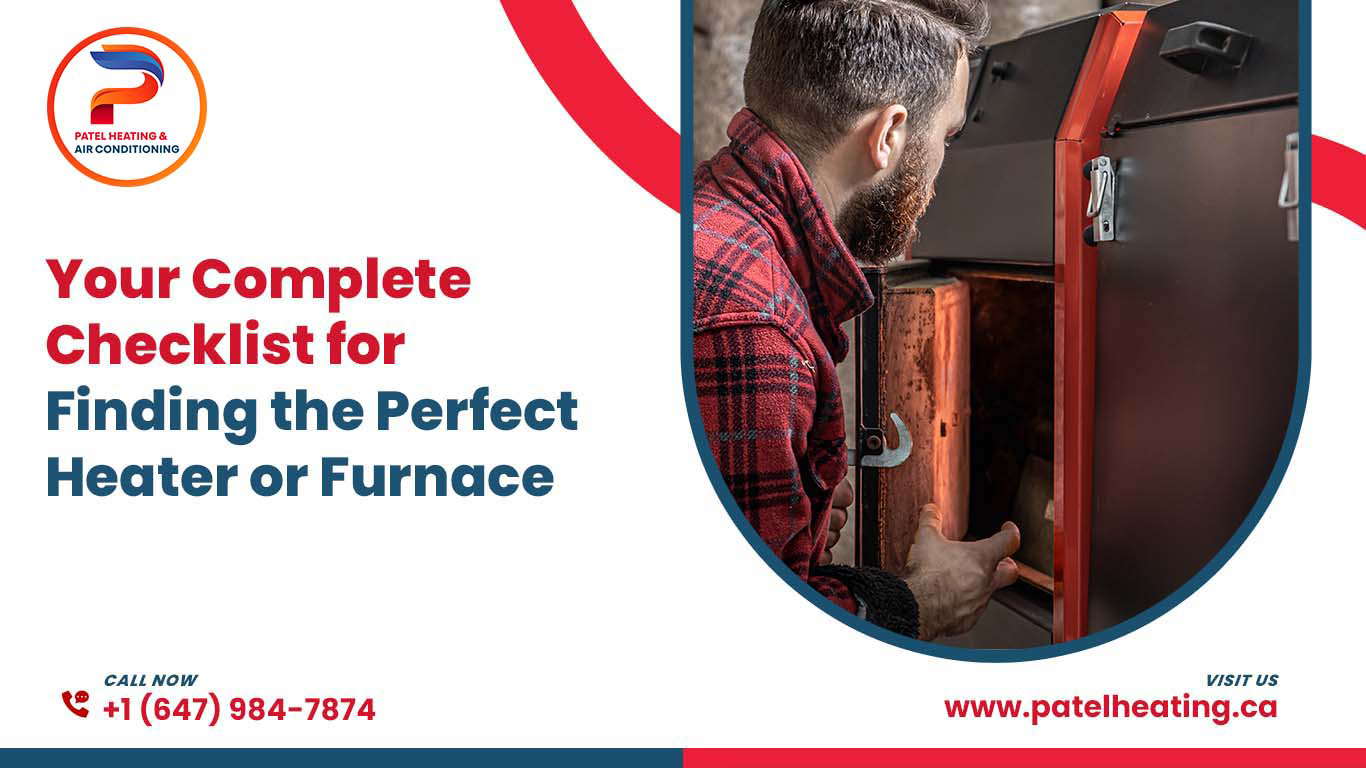
    Your Complete Checklist for Finding the Perfect Heater or Furnace

    Choosing the right heating system for your home is a crucial decision that affects your comfort, energy efficiency, and budget. Finding the perfect heater or furnace can be overwhelming with so many options available. At Patel Heating & Air Conditioning, we’re here to help you make an informed choice that meets your needs. This comprehensive checklist will guide you through the essential factors to consider when selecting the best heating solution for your home.

    1. Assess Your Heating Needs

    Understanding your home’s heating requirements is the first step in choosing the right system. Consider these factors:

    ● Home Size and Layout: Larger homes require more powerful systems, while smaller spaces may only need a modest heater.

    ● Climate: The local climate plays a significant role in determining the type and capacity of the system needed.

    ● Insulation and Windows: Well-insulated homes with energy-efficient windows may require less heating capacity.

    2. Explore Different Types of Heating Systems

    There are various types of heating systems, each with unique features and benefits. Understanding these options can help you select the most suitable one for your home:

    ● Furnaces: Furnaces are available in gas, electric, and oil models. They work by heating air and distributing it throughout the house via ducts.

    ● Heat Pumps: Versatile and energy-efficient, heat pumps provide both heating and cooling, making them ideal for moderate climates.

    ● Boilers: Boilers use water or steam to heat your home. They are often found in older homes and can be highly efficient.

    ● Ductless Mini-Splits: These ductless mini-split systems are great for homes without existing ductwork, providing zoned heating and cooling.

    3. Prioritize Energy Efficiency

    Energy efficiency is crucial for reducing your carbon footprint and lowering utility bills. Look for heating systems with high Annual Fuel Utilization Efficiency (AFUE) ratings or ENERGY STAR certifications. Energy-efficient models may have a higher initial cost but will save money over time through reduced energy consumption.

    4. Choose the Right Fuel Source

    The fuel type for your heating system impacts efficiency, cost, and availability. Common fuel sources include:

    ● Natural Gas: A popular and cost-effective option for many homeowners.

    ● Electricity: While easy to install, electric systems can be more expensive to operate.

    ● Oil: Oil furnaces are less common but can be a viable option in areas without access to natural gas.

    ● Propane: Often used in rural areas, propane is an alternative to natural gas.

    5. Ensure Proper Sizing

    Choosing the correct size for your heating system is vital for efficiency and comfort. A system that is too small will need help to heat your home, while one that is too large can cycle on and off too frequently, reducing efficiency and lifespan. At Patel Heating & Air Conditioning, our experts can perform a detailed load calculation to determine the ideal system size for your home.

    6. Consider Installation and Maintenance Costs

    Installation costs can vary based on the type of system and your home’s existing infrastructure. Additionally, regular maintenance is essential to keep your system running smoothly and extend its life. Be sure to consider these factors when budgeting for your new heating system.

    7. Look for Additional Features

    Modern heating systems offer various features that enhance comfort and efficiency, such as:

    ● Programmable Thermostats: These devices allow you to set specific temperatures for different times of the day, helping to save energy.

    ● Variable-Speed Blowers: These provide more consistent and quieter airflow, improving comfort.

    ● Zoning Systems: Zoning allows you to control the temperature in different areas of your home independently.

    8. Read Reviews and Compare Brands

    Researching brands and reading customer reviews can provide valuable insights into the performance and reliability of different heating systems. At Patel Heating & Air Conditioning, we offer a range of trusted brands and can help you compare options based on your specific needs.

    9. Consult with a Professional

    Choosing the right heating and furnace repair in canada involves numerous considerations, and consulting with a professional can help ensure you make the best decision. Our team at Patel Heating & Air Conditioning is here to guide you through the process, from selecting the right system to professional installation and ongoing maintenance.

    Conclusion

    Selecting the perfect heater or furnace for your home is an important investment in your comfort and energy efficiency. By following this complete checklist, you can make an informed decision that fits your needs and budget. At Patel Heating & Air Conditioning, we are committed to helping you find the best heating solution for your home. Contact us today to schedule a consultation and take the first step toward a warmer, more comfortable home.

  • The Ultimate Guide to Ductless HVAC Systems for Property Management

    The Ultimate Guide to Ductless HVAC Systems for Property Management

    Welcome to Patel Heating and Air Conditioning’s ultimate guide to ductless HVAC systems for property management. As a property manager, your primary goal is to ensure tenant satisfaction, reduce operational costs, and improve energy efficiency. Ductless HVAC systems are the perfect solution to achieve all these objectives. In this comprehensive guide, we’ll delve into what ductless HVAC systems are, their benefits, installation considerations, and why they are the ideal choice for property management.

    What Are Ductless HVAC Systems?

    Ductless HVAC systems, also known as mini-split systems, consist of two main components: an outdoor compressor/condenser and one or more indoor air-handling units. Unlike traditional HVAC systems, ductless systems do not require ductwork to distribute air. This makes them a versatile and efficient option for heating and cooling.

    Benefits of Ductless HVAC Systems for Property Managers

    1. Energy Efficiency

    Ductless systems are highly efficient, often outperforming traditional HVAC systems. By eliminating ductwork, which can account for significant energy loss, these systems deliver air directly to different zones, reducing energy consumption and lowering utility bills.

    2. Cost Savings

    With improved energy efficiency comes cost savings. Property managers can benefit from reduced energy bills and maintenance costs. Additionally, ductless systems have a longer lifespan and require less frequent servicing than traditional HVAC systems.

    3. Enhanced Comfort

    Ductless HVAC systems offer precise temperature control for different zones or rooms, allowing tenants to adjust the climate to their preference. This zoned approach ensures optimal comfort for all occupants, enhancing tenant satisfaction and retention.

    4. Easy Installation

    Installing ductless systems is straightforward and less invasive than installing ducted systems. Since no ductwork is needed, the installation process is quicker and more flexible, minimizing disruption to tenants.

    5. Environmental Impact

    Ductless systems use environmentally friendly refrigerants and have a smaller carbon footprint compared to traditional HVAC systems. This makes them an excellent choice for property managers looking to reduce their environmental impact.

    Installation Considerations

    When considering ductless HVAC systems for your property, keep the following in mind:

    1. Assessment of Property Needs

    Evaluate the specific heating and cooling needs of your property. Consider the size of the spaces, the number of zones required, and the insulation quality. At Patel Heating and Air Conditioning, we offer professional assessments to recommend the best ductless system configuration for your property.

    2. Placement of Indoor Units

    The indoor air-handling units should be strategically placed to ensure optimal airflow and coverage. Common installation options include wall-mounted, ceiling-mounted, or floor-mounted units. Our expert technicians will work with you to determine the best placement for maximum efficiency and tenant comfort.

    3. Outdoor Unit Location

    The outdoor compressor/condenser unit should be placed in a location that allows for adequate ventilation and easy access for maintenance. We ensure the chosen location minimizes noise disturbance for tenants.

    4. Electrical Requirements

    Ductless systems require a dedicated electrical circuit. Ensure your property’s electrical system can support the installation of the new units, and make any necessary upgrades before installation. Patel Heating and Air Conditioning can help assess and upgrade your electrical system as needed.

    5. Professional Installation

    While ductless systems are relatively easy to install, it’s essential to hire a licensed and experienced HVAC contractor to ensure proper installation and avoid potential issues. Our team at Patel Heating and Air Conditioning has the expertise to handle your installation seamlessly.

    Why Ductless HVAC Systems Are Ideal for Property Management

    Ductless HVAC systems offer property managers a host of benefits, from cost savings and energy efficiency to enhanced tenant comfort and easy installation. By investing in ductless systems, property managers can create a more attractive and comfortable living environment, reduce operational costs, and contribute to environmental sustainability.

    In conclusion, ductless HVAC systems are a smart choice for property managers looking to improve their properties’ efficiency and tenant satisfaction. With their numerous benefits and ease of installation, it’s no wonder more and more property managers are making the switch to ductless systems.

    At Patel Heating and Air Conditioning, we specialize in the installation and maintenance of ductless HVAC systems. Contact us today to learn more about how we can help you revolutionize your property management with our expert HVAC solutions.

  • Your Complete Guide to Furnace Repairs in Canada

    Your Complete Guide to Furnace Repairs in Canada

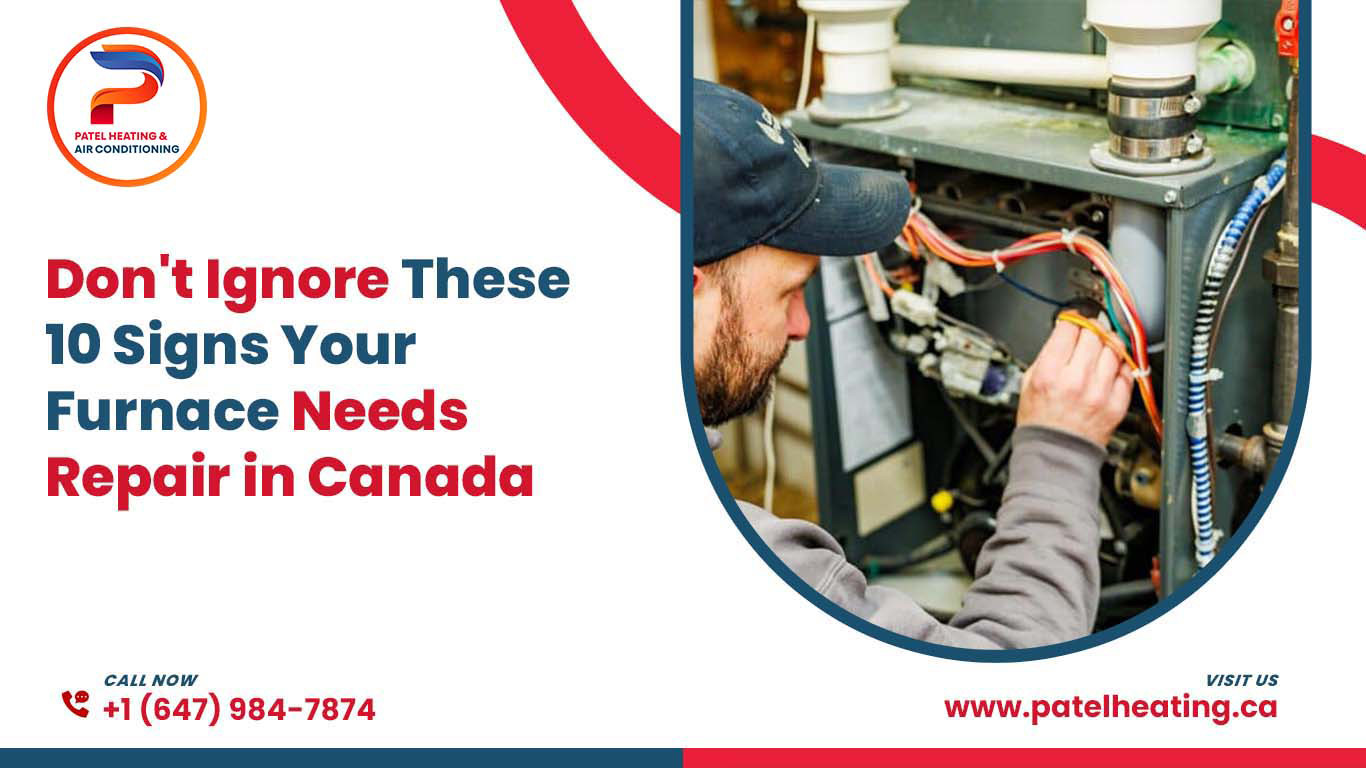
    As the chill of Canadian winters sets in, a reliable furnace becomes essential for maintaining a warm and comfortable home. Understanding common furnace issues and knowing when to call in the professionals can save you time, money, and discomfort. Patel Heating & Air Conditioning is dedicated to helping you keep your furnace in optimal condition. Here’s a comprehensive guide to furnace repairs, covering common problems and when to seek professional help….

    Common Furnace Issues

    1. No Heat or Insufficient Heat

    ○ Cause: This can be due to a malfunctioning thermostat, a clogged filter, or issues with the pilot light or ignition system.
    ○ Solution: Check if the thermostat is set correctly and replace the filter if it’s dirty. If the problem persists, it might be time to call a professional to inspect the ignition system.

    2. Frequent Cycling

    ○ Cause: A furnace that turns on and off frequently may have a dirty filter, improper airflow, or a faulty thermostat.
    ○ Solution: Replace or clean the filter and ensure the vents are unobstructed Professional Onal diagnostics may be required to identify thermostat issues or other underlying prob if cycling continues.

    3. Unusual Noises

    ○ Cause: Rattling, banging, or squealing noises can indicate loose components, a failing motor, or issues with the blower belt.

    ○ Solution: Tighten any loose parts and replace worn-out belts. Persistent noise problems should be evaluated by a professional to prevent further damage.

    4. Pilot Light or Ignition Problems

    ○ Cause: The pilot light may go out due to a draft, a dirty flame sensor, or issues with the thermocouple.
    ○ Solution: Relight the pilot light if it’s gone out and clean the flame sensor. If these steps don’t work, contacting a technician for a thorough inspection is best.

    5. Blower Running Continuously

    ○ Cause: This might be due to the fan setting on the thermostat being set to “on” instead of “auto,” or a problem with the limit switch.
    ○ Solution: Adjust the thermostat setting and, if the blower still runs continuously, have a professional check the limit switch.

    Preventative Maintenance Tips

    Regular maintenance is key to minimizing furnace problems. Here are some tips :

    ● Replace Filters Regularly: Dirty filters can restrict airflow, causing the furnace to work harder and less efficiently. Replace them every 1-3 months.

    ● Schedule Annual Inspections: Professional technicians can identify and address potential issues before they become serious problems. Annual inspections are crucial for maintaining efficiency and longevity.

    ● Keep Vents and Ducts Clean: Ensure that air vents are free from obstructions and consider professional duct cleaning to improve airflow and indoor air quality.

    ● Check Thermostat Settings: Make sure your thermostat is set correctly and consider upgrading to a programmable or smart thermostat for better control and energy savings.

    ● Inspect the Area Around the Furnace: Keep the area around your furnace clean and free of any flammable materials to ensure safety and proper operation.

    When to Call a Professional

    While some furnace issues can be resolved with simple troubleshooting, others require professional expertise. Here’s when you should call in the experts at Patel Heating & Air Conditioning:

    ● Persistent Problems: If your furnace issues continue after basic troubleshooting, it’s time for a professional inspection.

    ● Unusual Odors: A burning smell or gas odor should never be ignored. Turn off the furnace and call a professional immediately.

    ● Carbon Monoxide Alerts: If your carbon monoxide detector goes off, evacuate your home and contact a professional. This could indicate a serious and potentially deadly issue with your furnace.

    ● Electrical Issues: Any problems involving electrical components or wiring should be handled by a professional to avoid the risk of injury or further damage.

    ● Age of Furnace: If your furnace is over 15 years old and experiencing frequent issues, it may be time for a professional evaluation to consider replacement options.

    Choosing the Right Professional

    Selecting a reliable HVAC professional is crucial for effective furnace repair. Here’s what to look for:

    ● Experience and Certification: Choose a technician with the right certifications and extensive experience in furnace repair.

    ● Reputation: Check online reviews and ask for referrals to find a reputable service provider.

    ● 24/7 Availability: Furnace issues can arise anytime. Ensure your chosen professional offers emergency services.

    ● Transparent Pricing: Look for clear, upfront pricing to avoid surprises.

    Conclusion

    Maintaining a well-functioning furnace is essential for enduring the Canadian winter. By understanding common issues, performing regular maintenance, and knowing when to call professionals, you can ensure your home remains warm and comfortable. At Patel Heating & Air Conditioning, we are committed to providing top-notch furnace repair services to keep your heating system running smoothly. For expert assistance and reliable service, contact us today.

    Contact Us

    For more information or to schedule a service appointment, visit our website at patelheating.ca or call us at +1 (647) 984-7874. Our team of experienced professionals is here to help you with all your furnace repair and maintenance needs.

  • Your Ultimate Guide to Choosing the Perfect Furnace Size

    Your Ultimate Guide to Choosing the Perfect Furnace Size

    Choosing the perfect furnace size isn’t just a technical decision it directly impacts your home comfort, energy efficiency, and long-term heating costs. Most homeowners either overspend on oversized systems or struggle with undersized furnaces that never quite warm the house.

    Most people are doing this wrong… and it quietly costs them money every winter.

    In this guide, you’ll learn exactly how to choose the right HVAC furnace size, avoid common mistakes, and make a smart, future-proof investment for your home with help from Patel Heating & Air Conditioning.

    Why Furnace Size Matters More Than You Think

    An incorrectly sized home furnace can lead to uneven temperatures, higher bills, and constant repairs. Here’s why the right size is non-negotiable:

    1: The Hidden Impact of Wrong Furnace Sizing

    • Energy efficiency drops when the furnace cycles on/off too often
    • Comfort issues like cold rooms and overheating
    • Higher maintenance costs due to extra wear and tear
    • Shorter system lifespan from constant strain

    2: Quick Reality Check

    • Oversized furnace = noisy, inefficient, uneven heating
    • Undersized furnace = runs nonstop, still feels cold

    Nobody talks about this trick… The right furnace size can reduce heating bills by up to 20–30% over time.

    Key Factors That Decide the Right Furnace Size

    1. Home Square Footage

    The total square footage of your home is the starting point for calculating BTU requirements.

    Action Step

    • Measure your home’s livable area (exclude garage and unheated basements)

    2. Climate Zone & Local Weather

    Your climate zone determines how hard your furnace needs to work. Colder regions demand higher BTU capacity.

    Example

    • Cold climates: 40–60 BTUs per sq. ft.
    • Moderate climates: 30–40 BTUs per sq. ft.

    3. Insulation Quality

    Better home insulation means less heat loss and a smaller furnace requirement.

    Check These Areas

    • Attic insulation
    • Wall insulation
    • Window sealing
    • Door gaps

    4. Home Layout & Ceiling Height

    Open floor plans and high ceilings require more heating power than compact layouts.

    Pro Tip

    • Homes with vaulted ceilings often need 10–15% more BTUs

    Step-by-Step Guide to Calculate Furnace Size (BTU)

    Simple Furnace Sizing Formula

    Step 1 – Calculate Home Area

    • Total square footage

    Step 2 – Apply BTU per Sq. Ft.

    • Example: 1,500 sq. ft. × 40 BTUs = 60,000 BTUs

    Step 3 – Adjust for Insulation & Windows

    • Poor insulation? Add 10–20% BTUs
    • Energy-efficient windows? Reduce slightly

    Step 4 – Get a Professional Load Calculation

    • Request a Manual J Load Calculation from Patel Heating & Air Conditioning for precise sizing

    This changed my results in 7 days… Homeowners who switch to properly sized furnaces often notice lower bills within the first month.

    Tools & Resources to Help You Size Your Furnace

    Online Furnace Size Calculators

    • HVAC load calculator
    • BTU calculator for home heating

    Professional HVAC Assessment

    • Home energy audit
    • Manual J calculation service by Patel Heating & Air Conditioning

    Why Professional Help Beats Guesswork

    • Accurate sizing
    • Tailored recommendations
    • Long-term energy savings

    Common Furnace Sizing Mistakes (Avoid These!)

    Top Mistakes Homeowners Make

    • Choosing based only on old furnace size
    • Ignoring insulation upgrades
    • Not considering future home renovations
    • Skipping professional HVAC load calculations

    Warning Sign
    If your furnace turns on and off too frequently, it’s likely oversized.

    Pro Tips & Growth Hacks for Smarter Furnace Buying

    Smart Buyer Tips

    1. Choose High-Efficiency Furnaces
    Look for ENERGY STAR-rated furnaces for better long-term savings.

    2. Plan for Future Upgrades
    If you’re adding rooms later, size accordingly.

    3. Bundle Furnace + Installation
    Ask for furnace installation packages from Patel Heating & Air Conditioning to save on total cost.

    4. Pair with Smart Thermostats
    Smart thermostats optimize home heating efficiency and reduce wastage.

    Why Choose Patel Heating & Air Conditioning?

    Trusted Local HVAC Experts

    • Expert furnace sizing consultation
    • High-quality HVAC installation services
    • Energy-efficient home heating solutions
    • Reliable furnace repair & maintenance

    What You Get
    ✔ Honest advice
    ✔ Right-sized furnace
    ✔ Long-term comfort
    ✔ Lower heating bills

    Conclusion: Get the Perfect Furnace Size (And Stop Wasting Money)

    Choosing the right furnace size is one of the smartest upgrades you can make for your home. It improves comfort, lowers energy bills, and extends the life of your HVAC system.

    If you’re serious about getting it right the first time, let Patel Heating & Air Conditioning handle your furnace sizing, installation, and maintenance.

    Call today for a free consultation and enjoy warm, worry-free winters.

    Call: +1 (647) 984-7874

    Mail: patelheating@gmail.com

    Website: www.patelheating.ca